

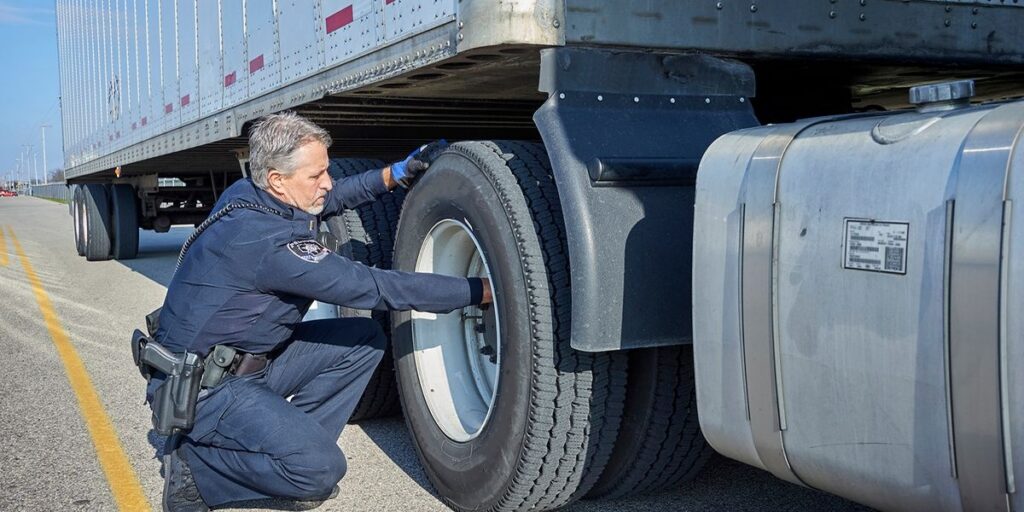
Running a commercial fleet in Texas comes with growing compliance demands. Regulations continue to tighten, inspections are more detailed, and the cost of violations impacts both operations and reputation. For carriers in the state of Texas, staying compliant is part of staying in business.
Safety regulations help you in avoiding fines, prevent downtime, and keep drivers and vehicles on the road. One of the key authorities shaping these standards is the Commercial Vehicle Safety Alliance. Understanding how it works helps carriers prepare better. At Integrity Safety Consultants, we support Texas carriers with practical guidance to meet these standards confidently. Let’s talk about what the Commercial Vehicle Safety Alliance is.
The Commercial Vehicle Safety Alliance is an organization that sets uniform inspection and enforcement standards for commercial vehicles across the United States, Canada, and Mexico. It helps ensure consistent roadside inspections and safety compliance, which is essential for Texas carriers operating across state and international routes.
CVSA standards matter because they directly affect compliance, safety, and operational continuity. For Texas carriers, these standards help:
Failing to meet CVSA expectations can lead to delays, penalties, and increased insurance costs. You need to stay prepared in order to ensure your fleet operates without unnecessary interruptions.
Understanding inspection levels helps carriers know what to expect during roadside checks.
A full inspection covering both driver and vehicle, including documentation and mechanical components.
A less invasive inspection without going under the vehicle, but still thorough.
Focuses on driver credentials, logs, and documentation.
Targets specific areas or concerns based on enforcement priorities.
A complete vehicle inspection conducted without the driver present.
Applies to vehicles carrying hazardous materials with additional safety requirements.
Each level serves a purpose and helps ensure compliance across different scenarios.
Many carriers confuse CVSA with FMCSA. While they work together, their roles are different.
Factor | CVSA | FMCSA |
Role | Inspection standards | Federal regulation enforcement |
Focus | Safety inspections | Compliance and regulations |
Scope | North America | United States |
Application | Roadside inspections | Legal compliance |
Purpose | Standardize inspections | Enforce safety laws |
CVSA focuses on how inspections are conducted, while FMCSA sets and enforces the regulations carriers must follow.
The most common CVSA violations in Texas involve brakes, tires, and driver log compliance. Key issues include:
These issues are often preventable with regular checks and proper maintenance. Addressing them early helps avoid penalties and downtime.
Preparation plays a major role in passing inspections and avoiding disruptions. Carriers can stay ready by:
Consistent preparation reduces risk and improves inspection outcomes.
At Integrity Safety Consultants, we work closely with Texas carriers to simplify compliance and improve readiness. Our services include:
We focus on practical solutions that help carriers stay compliant while keeping operations efficient.
What does the Commercial Vehicle Safety Alliance do?
The Commercial Vehicle Safety Alliance sets standardized inspection procedures across North America. It ensures that commercial vehicle inspections are consistent and focused on safety, helping carriers meet compliance requirements during roadside checks.
What is a CVSA inspection?
A CVSA inspection is a standardized safety check conducted on commercial vehicles and drivers. It may include reviewing documents, checking vehicle components, and ensuring compliance with safety regulations.
What happens if you fail a CVSA inspection?
Failing an inspection can result in violations, fines, or an out-of-service order. This may prevent the vehicle from operating until the issue is resolved, causing delays and potential financial loss.
How often do CVSA inspections happen?
Inspections can occur at any time, especially during roadside checks or safety initiatives. There is no fixed schedule, which is why ongoing compliance is important.
Are CVSA rules mandatory in Texas?
Yes, CVSA standards are used during inspections in Texas. Carriers must follow these standards to meet safety and compliance requirements.
CVSA standards play a critical role in keeping Texas carriers compliant, safe, and operational. At Integrity Safety Consultants, we support carriers with the tools, training, and expertise needed to stay prepared. If you want to strengthen your compliance strategy, our team is ready to help.
Connect with Integrity Safety Consultants today for a consultation, audit, or training support tailored to your fleet.

